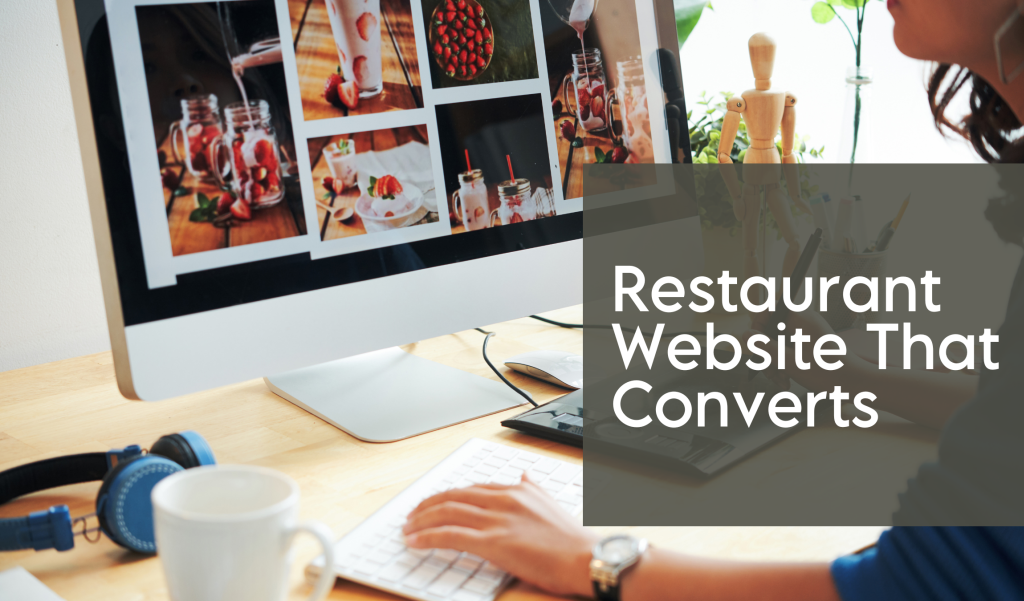
What a High-Performing Restaurant Website Looks Like in 2025
Your website is your restaurant’s digital front door. Many Dubai restaurants still treat it like an online brochure — slow, outdated, and difficult to navigate. A modern, high-performing restaurant website in 2025 is fast, interactive, mobile-first, and designed to convert visitors into bookings within seconds.
1️⃣ Lightning-fast loading and mobile optimisation
Speed matters. If a website takes more than three seconds to load, over half of users leave. On mobile, the number is even higher.
To improve performance:
Optimise image sizes, especially hero photos and menu images.
Use lazy-loading for galleries.
Create mobile-first layouts with key buttons (“Book Now”, “View Menu”) within easy reach.
Fast loading creates a smooth experience and reduces drop-off.
2️⃣ Clear and visual navigation
Visitors should find what they need without effort.
Menus shouldn’t live in PDFs. Instead, each section — breakfast, lunch or dinner — should be native, readable and easy to scroll.
To help users move faster:
Use sticky headers.
Add anchor links to long menu pages.
Keep the main goal simple: help visitors book a table with as few clicks as possible.
Clear navigation increases conversions.
3️⃣ Integrated booking and real-time availability
Modern diners expect instant confirmation. Because of this, embedding tools like TableAgent, OpenTable or custom booking widgets removes friction and speeds up the reservation process.
In the GCC market, real-time chat is also effective. Adding WhatsApp or live chat allows users to ask questions quickly and receive immediate support.
4️⃣ Visual impact above the fold
The first screen sets the tone. High-quality visuals help users understand the experience before they read anything.
This section can include:
A short hero video loop
Strong ambience shots
Close-up dish photography
A clear tagline (for example: “From grill to skyline — Dubai’s rooftop dining reimagined”)
Good visuals create emotion and keep visitors on the page longer.
5️⃣ SEO and local discovery
A restaurant website must be discoverable. Strong SEO ensures that locals and tourists can find you easily.
Important steps include:
Adding structured data for the “Restaurant” schema
Embedding Google Maps with updated reviews
Writing optimised titles such as “Fine Dining Restaurant in Business Bay | [Restaurant Name]”
Keeping your name, address and phone number consistent across all platforms
These practices help Google understand your business and show it to local diners.
6️⃣ Accessibility and trust signals
Accessibility is important for both usability and search rankings. Clear contrast, readable fonts and easy navigation benefit all visitors.
Trust also plays a major role. You can increase conversions by showcasing:
Customer reviews
Press features
Awards
Influencer mentions
Certifications or trust badges
These elements reassure visitors before they make a booking.
Conclusion
A restaurant website isn’t just an online menu. It is a conversion engine. The best websites tell your story visually, load fast and make booking effortless.
At MG Lumeo Digital, we build restaurant websites that combine speed, great design and conversion psychology — helping restaurants turn online visitors into loyal diners.




Social Profiles